
A plain-English resource for shoppers and small-batch brands.
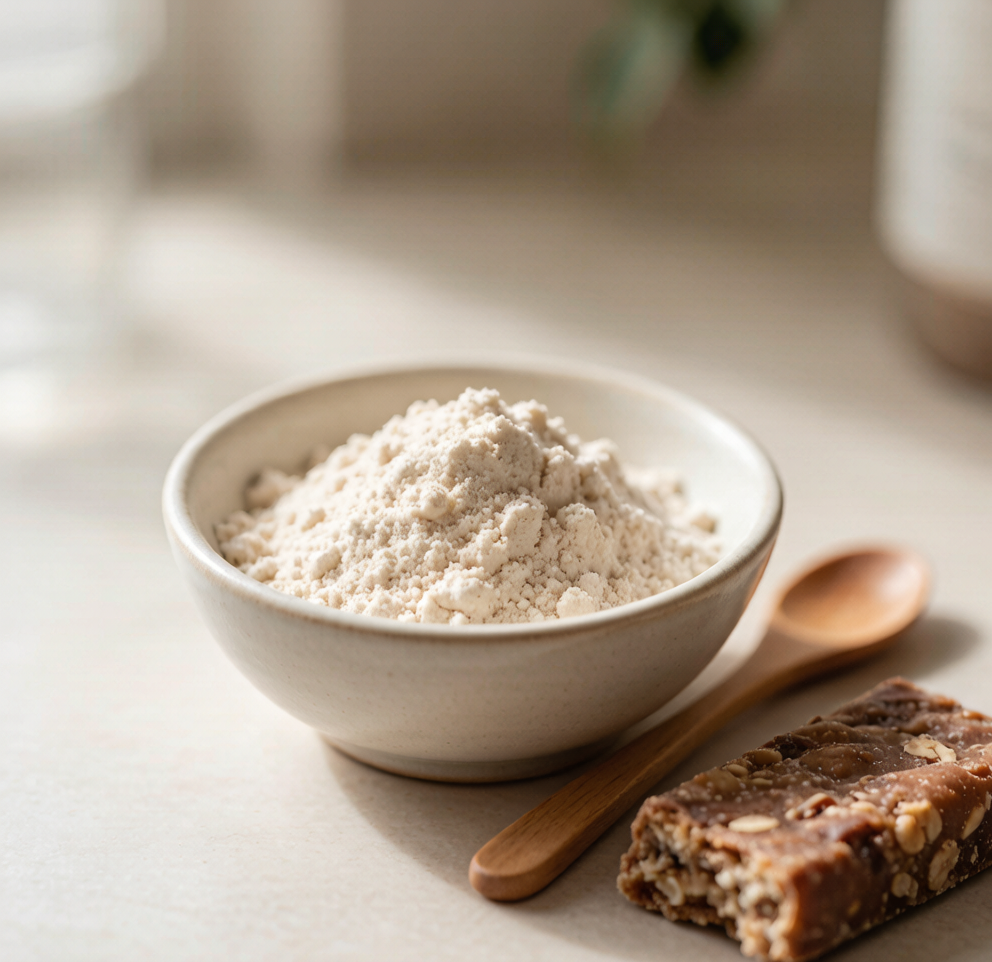
Protein bars now list collagen on their wrappers more than ever. Shoppers see “collagen peptides” and wonder what the ingredient truly does. This guide explains bovine collagen in protein bars in plain language. You’ll learn what it adds, how makers use it, and how to read the label with confidence.
Let’s start with the basics before moving to the label.
What bovine collagen actually is
Bovine collagen comes from cattle hide and bone. Makers hydrolyze it into small peptides that mix easily into bar recipes. The result is a fine, nearly tasteless powder. Type I and III proteins dominate this ingredient, and they supply glycine, proline, and hydroxyproline. Your body uses these amino acids to maintain skin and connective tissue. Think of collagen as concentrated protein, not a miracle additive.
Why bars include it
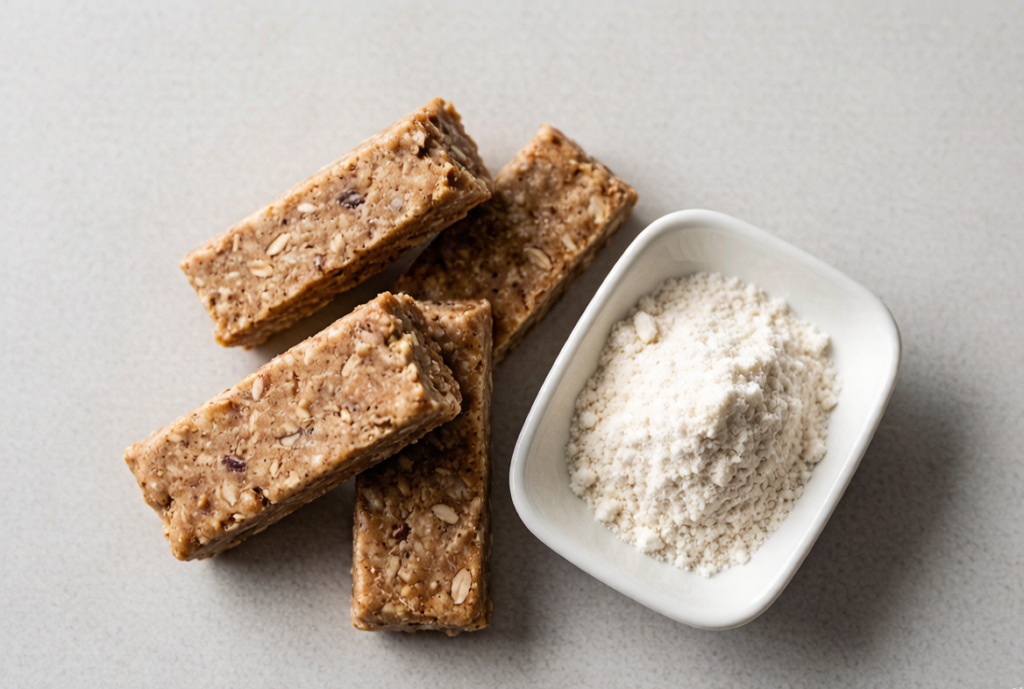
Brands add collagen for three clear reasons. First, it lifts the protein grams on the front of the pack. Second, its amino acid mix complements whey, soy, or pea protein. Third, it slightly improves mouthfeel by binding a little water. None of these benefits require a dramatic change to flavor. That practical flexibility explains collagen’s steady rise across the category.
Yet collagen has limits worth knowing before you trust it as a hero ingredient.
What collagen does not do
Hydrolyzed collagen never forms a gel. Unlike sheet gelatin, it cannot hold a bar’s shape or replace real binders. Date paste, syrups, and texturizers still do that structural job. Collagen simply rides along as nutrition and a light texture helper. Setting this expectation prevents unrealistic formula guesses later.
Formulation notes for makers
Formulators should plan around collagen’s water appetite. The peptides pull moisture from the surrounding mix, so adjust humectants in soft or coated bars. A dose of 1–3 g per bar usually reads well without a powdery aftertaste. Pair collagen with a complete protein rather than using it alone. Whey and soy deliver more leucine, the amino acid most tied to muscle support.
Beyond the recipe, the label tells the real story to buyers.
How to read the label
Two checks cut through the marketing noise. Total protein grams tell you the real serving, while “made with collagen” only confirms presence. Collagen counts toward that total but stays incomplete on its own. Sourcing matters too. Grass-fed claims and third-party purity tests signal a transparent brand. Hidden origins deserve a second look before you buy.
Safety and who should be careful
Most people tolerate food-grade bovine collagen without issue. Global safety bodies such as EFSA review it regularly, and it carries a long history in food. Still, beef allergy calls for avoidance or a marine alternative. Halal or kosher buyers need certified sources. Pregnant or breastfeeding customers should ask a clinician first. None of this makes collagen unsafe; it simply guides smart choices.
Choosing well completes the picture for any brand or shopper.
Picking a clean bars
PurePeak uses grass-fed bovine collagen peptides tested for purity by independent labs. We skip added sugar and artificial fillers in our bar formulas. One ingredient does one honest job. That transparency belongs on every protein bar label, and you can compare it with our collagen ice cream guide for another use case.
Frequently asked questions
Does bar collagen equal protein powder?
Both start from hydrolyzed protein, yet they serve different doses. A bar uses collagen for nutrition and texture, while a powder targets a daily scoop. Neither stands as a complete protein by itself.
Can collagen bars improve skin or joints?
Collagen adds protein that supports normal connective tissue as part of a balanced diet. Results differ by person, and the ingredient never treats or cures any condition.
Is daily collagen safe?
Most adults can eat it daily without concern. Anyone with a beef allergy, strict dietary rules, or a pregnancy should check with a healthcare provider first.
Collagen or whey — which wins in a bar?
They solve different problems. Whey brings more leucine; collagen adds type I/III amino acids and a clean label story. Many bars blend both for a stronger protein profile.
Want the powder for your own bars? That’s our email: hx-sales@hx-gelatin.com. For specs, minimum order, or private label, feel free to contact us.
This article provides ingredient education, not medical advice. PurePeak products are not intended to diagnose, treat, cure, or prevent any disease.