
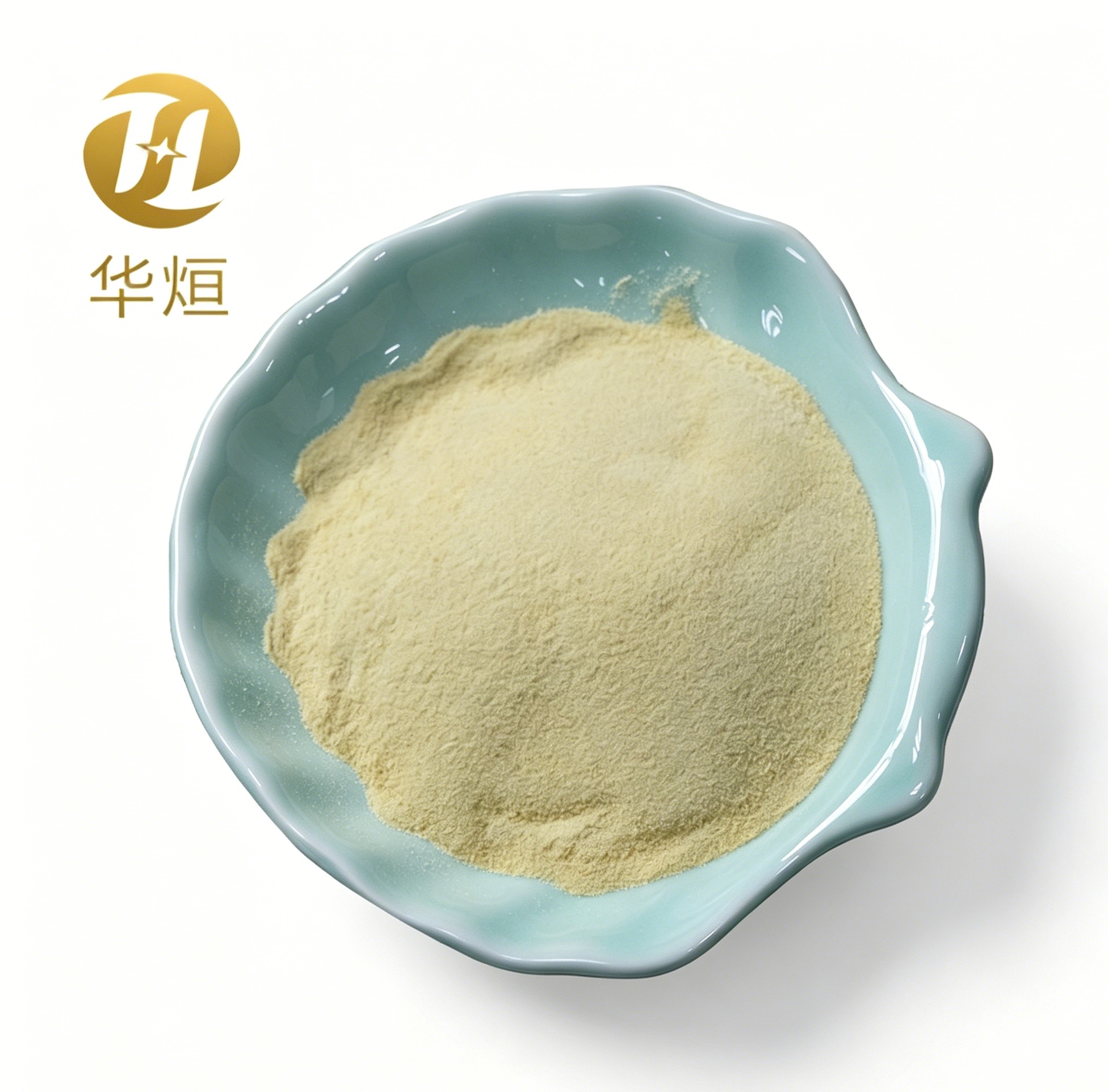
Peptone for Amino Acid Fermentation: A Complete Selection Guide
In this article
Amino acid fermentation runs on nitrogen, yet the nitrogen source decides far more than simple nutrition. Peptone supplies peptides, free amino acids, and natural growth factors that keep microbial metabolism stable. This guide explains how to match peptone choices to your production pathway and unlock measurable efficiency gains.
Why Peptone Matters in Amino Acid Production
Peptone functions as far more than a basic nitrogen source. This protein hydrolysate delivers peptides, amino acids, and natural growth factors that stabilize microbial metabolism. Manufacturers gain two advantages at once: rapid absorption and sustained nitrogen release.
Compare that profile with ammonium sulfate. Inorganic nitrogen hits the culture fast but can trigger metabolic shock and imbalance. Peptone releases nitrogen gradually, giving you better control over fermentation kinetics while lowering the risk of metabolic swings.
Downstream economics reinforce the choice. Stable fermentation curves reduce batch failure rates, and cleaner broths cut purification costs. Both effects trace back to the nitrogen source you select at the start.
Amino Acid Profiles, Explained
Different peptone sources carry distinct amino acid signatures. That fingerprint determines which metabolic pathways benefit most. Matching the profile to your target product directly boosts fermentation efficiency.
Tryptone comes packed with tryptophan and arginine from casein digestion. Soy peptone offers high glutamine levels and full animal-free compliance. Meat peptone brings histidine and cysteine for sulfur-containing amino acid production.
Practical examples make the difference concrete. Lysine producers see stronger results with arginine-rich tryptone. BCAA projects typically perform best under a blended 1:1 tryptone-soy formula.
| Peptone source | Key amino acid signature | Best-fit pathway |
|---|---|---|
| Tryptone | Tryptophan, arginine | Lysine, tryptophan synthesis |
| Soy peptone | Glutamine; animal-free | BCAA blends, vegan processes |
| Meat peptone | Histidine, cysteine | Sulfur amino acid production |
| Yeast peptone | Vitamins B1, B6 | Transaminase-dependent routes |
Four Ways Peptone Transforms Fermentation
Industrial amino acid fermentation benefits from peptone across several production stages. Each mechanism works differently, yet they compound into a stronger overall process.
Slow-release nitrogen
The gradual nitrogen effect prevents the shock that inorganic sources trigger. Research demonstrates that 1.5% tryptone supplementation lifts lysine biomass by 23% to 35% while increasing final yield by roughly 18%.
Precursor donation
Peptone acts as a direct precursor donor for target pathways. Tryptone’s inherent tryptophan background supports tryptophan synthesis routes without extra supplementation.
Cofactor supply
Yeast-derived varieties supply vitamins B1 and B6 as cofactors for transaminase reactions. This addition keeps key enzymes active without separate vitamin dosing.
Surface and oxygen effects
Meat peptone contains heme derivatives that stimulate anaerobic amino acid producers. Beyond nutrition, peptone reduces medium surface tension and improves oxygen transfer, cutting aeration energy by 10% to 15% in optimized high-density Corynebacterium glutamicum runs.
Animal vs Plant Peptone Trade-offs
Choosing between animal-derived and plant-derived peptone shapes both compliance and performance. Animal sources deliver broader amino acid coverage yet carry TSE/BSE transmission risks and fail halal and Kosher standards.
Plant-based alternatives eliminate animal-origin concerns and typically cost less. Market data shows plant peptone share climbing from 32% in 2018 to 51% in 2024 as EU regulations tighten. High-value products like L-arginine and L-citrulline demand pharmaceutical-grade low-endotoxin peptone.
Broth clarity adds another economic angle. Clearer fermentation broth extends ion-exchange resin life and slashes downstream purification expenses, which often consume 40% to 60% of total production costs.
Molecular Weight Strategy
Smart manufacturers now optimize peptone by molecular weight distribution. Small peptides fuel rapid logarithmic-phase growth, while medium peptides sustain nitrogen delivery during the stationary production phase.
Industry leaders now mix 70% small-peptide with 30% large-peptide peptone in a dual-nitrogen approach. This strategy balances fast startup with prolonged synthesis support.
Suppliers such as Xiamen Huaxuan Gelatin offer industrial peptone and organic peptone powder with documented molecular weight distribution, letting fermentation teams tune their dual-nitrogen ratios with confidence.
Final Considerations
Peptone selection directly determines amino acid production economics and final product quality. Precise matching of nitrogen source to metabolic pathway unlocks measurable efficiency gains. Advances in directed enzymatic hydrolysis and single-cell protein sources continue pushing this traditional ingredient toward greater precision.
Manufacturers who master peptone optimization gain a clear competitive edge in biomanufacturing. Start by auditing your target pathway, then match the amino acid signature, source type, and molecular weight blend accordingly. Small formulation changes often deliver outsized yield improvements.