
Professional Peptone Selection for Pharmaceutical Bacterial Culture丨HUAXUAN
In the high-precision world of pharmaceutical manufacturing, the success of a vaccine or antibiotic batch often hinges on the silent, microscopic environment of a fermentation tank. A lead researcher monitors the growth curve of a specific recombinant protein, knowing that even a minimal deviation in nutrient availability could stall high-density cell growth or lead to low expression levels. At the center of this delicate biological balance is the culture medium, where the choice of organic nitrogen plays a foundational role.
Selecting the right nutrients, specifically through Professional Peptone Selection for Pharmaceutical Bacterial Culture, serves as the critical bridge between laboratory-scale success and consistent industrial-grade output. Peptone is not merely a commodity; it is a complex mixture of peptides, amino acids, and vitamins derived from the controlled hydrolysis of proteins. For pharmaceutical applications, professional peptone selection involves choosing a source—whether bovine, porcine, or vegetable-based—that provides the specific molecular weight distribution and nitrogen profile required to sustain metabolic pathways without introducing inhibitory impurities.
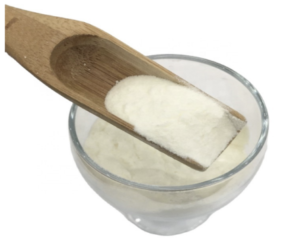
The Technical Risks of Batch Inconsistency in Fermentation
The primary challenge in pharmaceutical fermentation is the inherent variability of biological raw materials. Unlike synthetic chemicals, peptones derived from natural sources can fluctuate in nutrient composition between batches. For a manufacturer of life-saving drugs, a “batch failure” due to nutritional drift is more than just a financial loss; it is a risk to the stability of the entire supply chain. Inconsistent peptone quality can lead to unpredictable pH shifts during fermentation or the accumulation of unwanted metabolites that complicate downstream purification.
When procurement teams evaluate a China peptone wholesaler, the focus must extend beyond price points to the physiological impact on the bacteria. Pharmaceutical-grade bacterial culture demands a high degree of transparency regarding the raw material’s origin and the enzymatic process used for digestion. For instance, in the production of enzymes or therapeutic proteins using E. coli, the balance of free amino acids versus longer-chain peptides in the peptone directly influences the timing of induction and the final yield. Professional peptone selection ensures that the chosen media component has been refined to meet stringent microbial limits and low endotoxin levels, mitigating the “invisible risks” that often lead to failed Quality Control (QC) results.
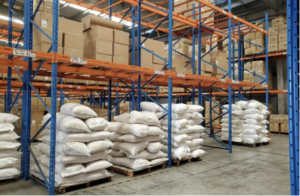
Precision Engineering in Peptone Manufacturing
The bridge between raw protein and high-performance culture media lies in the manufacturing infrastructure. Modern pharmaceutical requirements have moved past simple open-vat processing toward sophisticated, closed-loop systems. To maintain the integrity of professional peptone selection, production must occur in environments that mirror the cleanliness of the labs they serve. This involves the use of automated control systems and online sterilization to prevent phage contamination—a common yet devastating issue in large-scale fermentation.
At the HUAXUAN facility, which spans over 20,000 square meters, quality assurance is validated through specific physical and chemical parameters across dedicated production lines for collagen, gelatin, and pectin. A reliable China peptone wholesaler provides materials with protein content typically exceeding 90%, characterized by high solubility and low ash levels. These technical markers are not just for show; low ash and sodium content are essential for maintaining osmotic pressure within the bioreactor, allowing bacteria to focus energy on protein expression rather than cellular maintenance. Furthermore, the use of dust-free workshops and closed pipelines during the drying and packaging phases ensures that the final powder remains free from cross-contamination, a non-negotiable requirement for ISO 22000 and HACCP-certified facilities.
Navigating the Selection: Animal vs. Plant-Based Sources
A significant part of professional peptone selection for pharmaceutical bacterial culture involves choosing the correct protein substrate based on the specific microbial strain.
Animal-Derived Peptones: Often sourced from high-quality gelatin or casein, these are rich in essential amino acids and are frequently preferred for fastidious organisms that require a robust nitrogen source. The clarity of the resulting solution is vital for monitoring growth via optical density.
Plant-Derived Peptones: Specifically soybean peptones, these are increasingly utilized in “animal-free” (ADCF) fermentation processes. They offer a different carbohydrate and vitamin profile, which can be advantageous for certain Bacillus species or when religious and regulatory compliance—such as Halal or Veterinary Health standards—is a priority.
By maintaining specialized factories for different protein sources, a manufacturer can offer a broader spectrum of professional peptone selection. This diversity allows pharmaceutical companies to tailor their media to the specific metabolic “fingerprint” of their bacteria, whether they are producing monoclonal antibodies or traditional vaccines.
Stability and Traceability in the Global Supply Chain
For a pharmaceutical enterprise, a supplier is a partner in risk management. The availability of international certifications, such as ISO 22000, HACCP, and Veterinary Health certificates, serves as a testament to the transparency of the raw material source. This traceability is essential for navigating the complex regulatory landscapes of different countries. When a China peptone wholesaler maintains a consistent track record of nearly 20 years with global clients, it indicates a matured quality management system capable of handling the rigorous audits required by the biotech industry.
The ability to provide a consistent Certificate of Analysis (COA) for every batch—verifying pH, moisture, nitrogen content, and the absence of pathogens—is what separates industrial-grade suppliers from professional pharmaceutical partners. This stability allows researchers to move from pilot studies to full-scale production with the confidence that the “nutritional foundation” of their process will remain unchanged. Long-term customer relationships, some spanning two decades, reflect a commitment to stable quality and responsive after-sales service that supports continuous production cycles.
Supporting the Future of Bioprocessing
As the biopharmaceutical industry moves toward more efficient and localized production models, the demand for high-quality, cost-effective growth media continues to rise. The focus is shifting toward suppliers who understand the microscopic nuances of fermentation. Professional peptone selection is increasingly about technical synergy; it is the ability to recommend a specific hydrolysate powder or liquid collagen based on whether the client is focusing on biomass accumulation or metabolite secretion.
Ultimately, the goal of any professional peptone selection for pharmaceutical bacterial culture is to provide a “quiet” background for the main biological event. When the peptone is stable, pure, and nutritionally optimized, the fermentation process becomes predictable. For HUAXUAN, success is measured by the trust of international buyers who rely on consistent delivery to keep their production lines running across borders. By combining advanced filtration, automated sterilization, and a deep understanding of protein chemistry, professional suppliers ensure that the foundation of biotechnology remains rock-solid.
For more information on specialized peptone and gelatin solutions, visit: https://hx-gelatin.com/.