
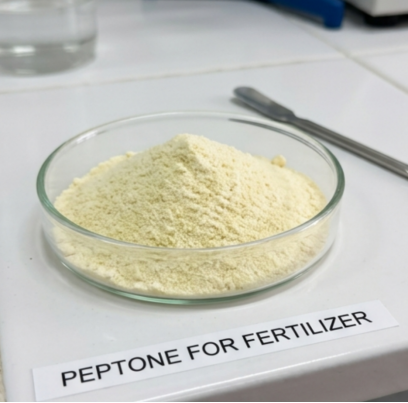
Peptone for Fermentation: A Complete Guide to Feed, Pharmaceutical, Microbial, and Enzyme Applications
Modern biotechnology depends on stable nutrient ingredients that encourage healthy microbial growth. Peptone has become one of the most trusted nitrogen sources because it supplies microorganisms with peptides, amino acids, and other essential nutrients. Consequently, manufacturers achieve consistent fermentation performance across different production systems.
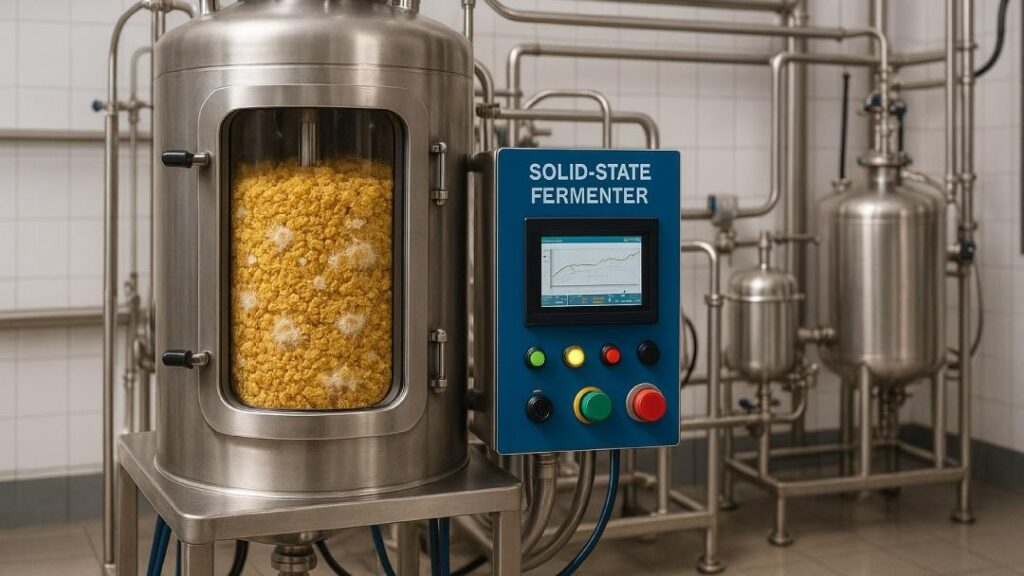
Industrial producers also appreciate peptone for its excellent solubility and dependable quality. Those advantages simplify media preparation while supporting efficient microbial metabolism from laboratory research to commercial manufacturing.
What Is Peptone?
Peptone is a protein hydrolysate produced through carefully controlled enzymatic or acid hydrolysis. The resulting product contains short-chain peptides, amino acids, vitamins, and nitrogen compounds that microorganisms absorb with ease.
Unlike simple nitrogen compounds, peptone provides a balanced nutritional profile. Therefore, bacteria, yeast, fungi, and other industrial microorganisms receive multiple nutrients from a single ingredient, making fermentation more efficient and predictable.
Why Choose Peptone for Industrial Fermentation?
Successful fermentation begins with balanced nutrition. Peptone supplies readily available organic nitrogen that helps microorganisms multiply rapidly while maintaining active metabolism throughout cultivation.
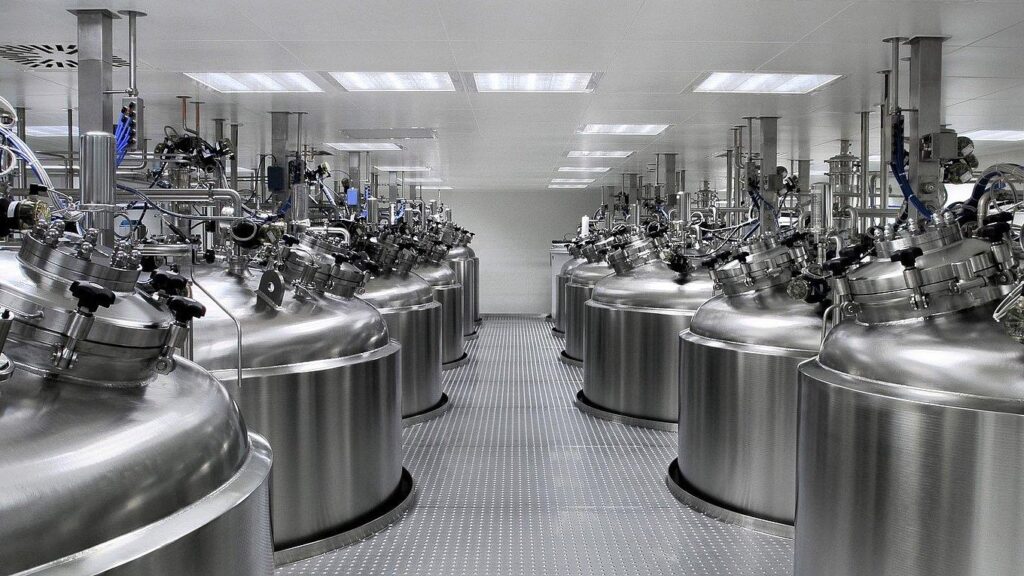
Furthermore, premium peptone improves nutrient availability and supports stable microbial populations. Manufacturers can reduce production variation while maintaining consistent product quality from one batch to another.
Key Advantages
Rich peptide content
High amino acid availability
Excellent water solubility
Stable production quality
Easy media preparation
Broad microbial compatibility
Reliable fermentation performance
Suitable for large-scale manufacturing
Peptone for Feed Fermentation
Feed fermentation continues to transform animal nutrition by producing probiotics, yeast cultures, and functional microbial products. Peptone provides microorganisms with the nutrients they require during rapid growth and metabolic activity.
As fermentation progresses, balanced nitrogen supports healthy microbial development and encourages efficient substrate utilization. Manufacturers benefit from stable production while creating high-quality fermented feed ingredients.
Common Feed Applications
Probiotic fermentation
Yeast cultivation
Animal nutrition products
Livestock feed additives
Aquaculture probiotics
Organic fertilizer microorganisms
Peptone in Pharmaceutical Fermentation
Pharmaceutical manufacturers require dependable fermentation ingredients for biological production. Peptone offers balanced nutrition that supports microbial growth during the manufacture of antibiotics, vitamins, enzymes, and other biotechnology products.
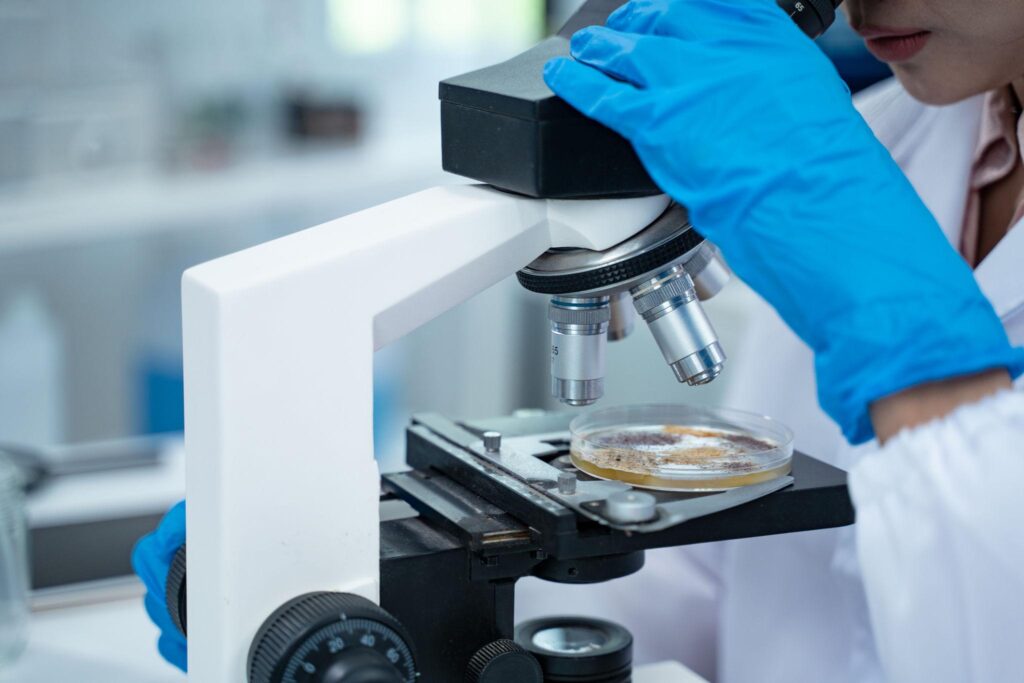
Moreover, consistent raw material quality helps production teams maintain standardized operating conditions. Stable nutrient composition also contributes to reliable fermentation performance during commercial manufacturing.
Pharmaceutical Uses
Antibiotic production
Vitamin fermentation
Vaccine research
Biopharmaceutical development
Industrial biotechnology
Peptone for Microbial Culture
Microbiological laboratories rely on nutrient-rich culture media to cultivate bacteria and fungi. Peptone supplies amino acids and peptides that microorganisms consume quickly, helping colonies develop under suitable laboratory conditions.
Research organizations, universities, and industrial laboratories frequently select peptone because it adapts to many microbial species. Consequently, technicians obtain dependable culture performance for testing, research, and quality control.
Laboratory Applications
Bacterial cultivation
Fungal culture
Quality control
Environmental testing
Academic research
Industrial microbiology
How High-Quality Peptone Improves Production
Every fermentation process depends on reliable raw materials. Premium peptone offers consistent composition that helps manufacturers optimize microbial growth and fermentation efficiency.
Meanwhile, excellent solubility shortens media preparation time. Stable nutrient availability also supports process consistency from pilot production to commercial manufacturing.
Companies that invest in quality fermentation ingredients often improve production stability while reducing unnecessary process adjustments.
Frequently Asked Questions
What microorganisms can use peptone?
Many bacteria, yeast, fungi, and industrial microbial strains grow efficiently with peptone-based nutrient media.
Does peptone dissolve easily?
Yes. Premium peptone dissolves rapidly in water and simplifies fermentation media preparation.
Which industries commonly use peptone?
Manufacturers use peptone in feed fermentation, pharmaceutical biotechnology, microbial culture, enzyme production, diagnostics, and scientific research.
Why does nitrogen quality matter?
Organic nitrogen supports healthy microbial metabolism and efficient cell growth. Better nutrition often leads to more consistent fermentation performance.
How should manufacturers choose peptone?
Evaluate protein source, amino nitrogen content, total nitrogen, solubility, batch consistency, microbial quality, packaging options, and technical support before purchasing.