
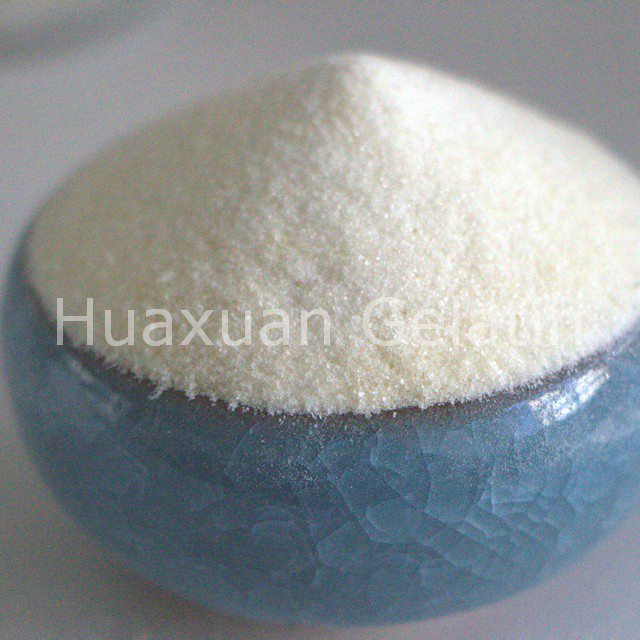
Food Grade Protein: Types and How to Choose
Quality starts at the specification. A food-grade ingredient differs from its feed-grade cousin in particle size, microbial limits, and certification, and those differences decide whether it earns approval for human consumption.
Food Grade Protein: Animal and Plant Sources
Two families dominate the market. Animal proteins — gelatin, collagen peptides, whey, and casein — bring strong gelling and emulsifying power. Plant proteins such as soy and pea concentrates offer stable supply, clean labels, and vegetarian appeal.
Each source fits different jobs. Gelatin sets jams and gummies, stabilizes yogurt, and clarifies beverages. Soy protein concentrate, at 65% protein or more, strengthens processed meat and bakery texture. Collagen peptides add protein to drinks and supplements.
Food Grade vs. Feed Grade
The gap between grades looks small on paper but matters in practice. Food-grade soy concentrate passes a 100-mesh screen, carries tight microbial limits, and meets standards such as Codex Alimentarius. Feed grade runs coarser and tolerates higher counts.
Microbiological safety separates the two most clearly. Food-grade specifications require negative salmonella and E. coli, low aerobic counts, and heavy-metal ceilings — limits that protect consumers and keep regulatory audits clean.
Quality Standards to Verify
Five checks cover most procurement needs: protein content, microbial limits, heavy metals, particle size, and certification.
- Protein content — e.g., ≥65% (N×6.25) for soy concentrate; Bloom and viscosity for gelatin.
- Microbial limits — negative salmonella and E. coli, with a low total plate count.
- Heavy metals — ceilings such as zinc ≤30 ppm and chromium ≤10 ppm in gelatin.
- Particle size — fine mesh for consistent food application.
- Certification — ISO 22000, FSSC 22000, GMP, plus halal or kosher as the market demands.
Documents prove compliance. Request the certificate of analysis per batch, along with allergen statements and origin certificates.
How to Choose
Match the protein to the application. Confectionery and dairy rely on gelatin for gelling and stabilization. Processed meat benefits from soy concentrate or gelatin for binding and moisture. Beverage producers use gelatin for clarification, while functional drinks and supplements favor collagen peptides.
Source and certification follow the market. Halal, kosher, or vegan positioning narrows the choice early, so define those constraints before sampling.
Bottom Line
Food grade protein rewards specification discipline. Verify protein content, microbial safety, and certification per lot, and choose the source that fits the application. Those habits turn a commodity ingredient into a reliable production partner.
Written by Xiamen Huaxuan Gelatin Co., Ltd.