
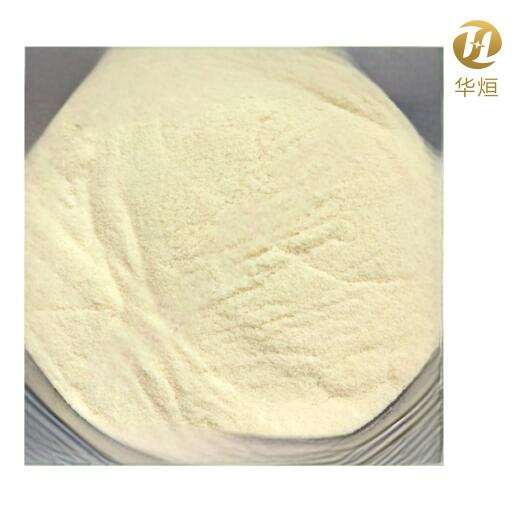
How Is Industrial Protein Made? A Simple Production Guide
1. Raw Material Preparation
Production starts with selected protein-rich raw materials.
First, manufacturers inspect and clean the material to remove unwanted impurities. Then, suitable physical treatment can improve processing efficiency.
Consistent raw materials help manufacturers achieve stable Industrial Protein Powder quality.
2. Protein Hydrolysis
Hydrolysis plays a central role in Industrial Protein Manufacturing.
During processing, manufacturers use controlled conditions to break large protein molecules into smaller peptides and amino compounds.
Temperature, pH, processing time, and enzyme dosage can influence the final peptide profile and solubility.
3. Filtration
After hydrolysis, the liquid may contain insoluble particles and other unwanted materials.
Filtration separates these components from the soluble protein fraction. As a result, the manufacturer can obtain a cleaner and more uniform protein solution.
Different products may require different filtration technologies.
4. Concentration
The filtered solution still contains considerable water.
Next, manufacturers use concentration equipment to increase the solids content. This step can improve drying efficiency and help control production costs.
Proper concentration also supports consistent powder characteristics.
5. Drying
Drying converts the concentrated protein solution into powder.
Spray drying works well for many Protein Hydrolysate Production processes because it can produce a fine and relatively uniform powder.
Manufacturers carefully control drying conditions to maintain the required solubility and moisture level.
6. Quality Testing
Quality testing ensures that the finished product meets its technical specifications.
Manufacturers may check protein content, total nitrogen, amino nitrogen, moisture, ash, solubility, pH, and microbiological indicators.
These parameters help buyers evaluate whether the product matches their intended application.
7. Packaging and Storage
After testing, the finished Industrial Protein Powder enters the packaging stage.
Manufacturers can provide bulk packaging according to customer requirements. Moisture-resistant packaging helps protect the powder during transportation and storage.
A dry, clean storage environment further supports product stability.