
Food Grade Gelatin: Applications Every Manufacturer Should Know
In this article
Food grade gelatin remains one of the most versatile ingredients in modern food production. Its unique combination of gelling, stabilizing, and texturizing power keeps it essential across confectionery, dairy, meat, and beverages. This guide walks through each application, the grades that work best, and the trends shaping demand in 2026.
What Food Grade Gelatin Is
Food grade gelatin comes from collagen, the main protein in animal skin and bone. Manufacturers extract it through controlled hydrolysis, then dry it into powder, granules, or sheets. The result offers gelling, foaming, binding, and film-forming functions that few ingredients can match.
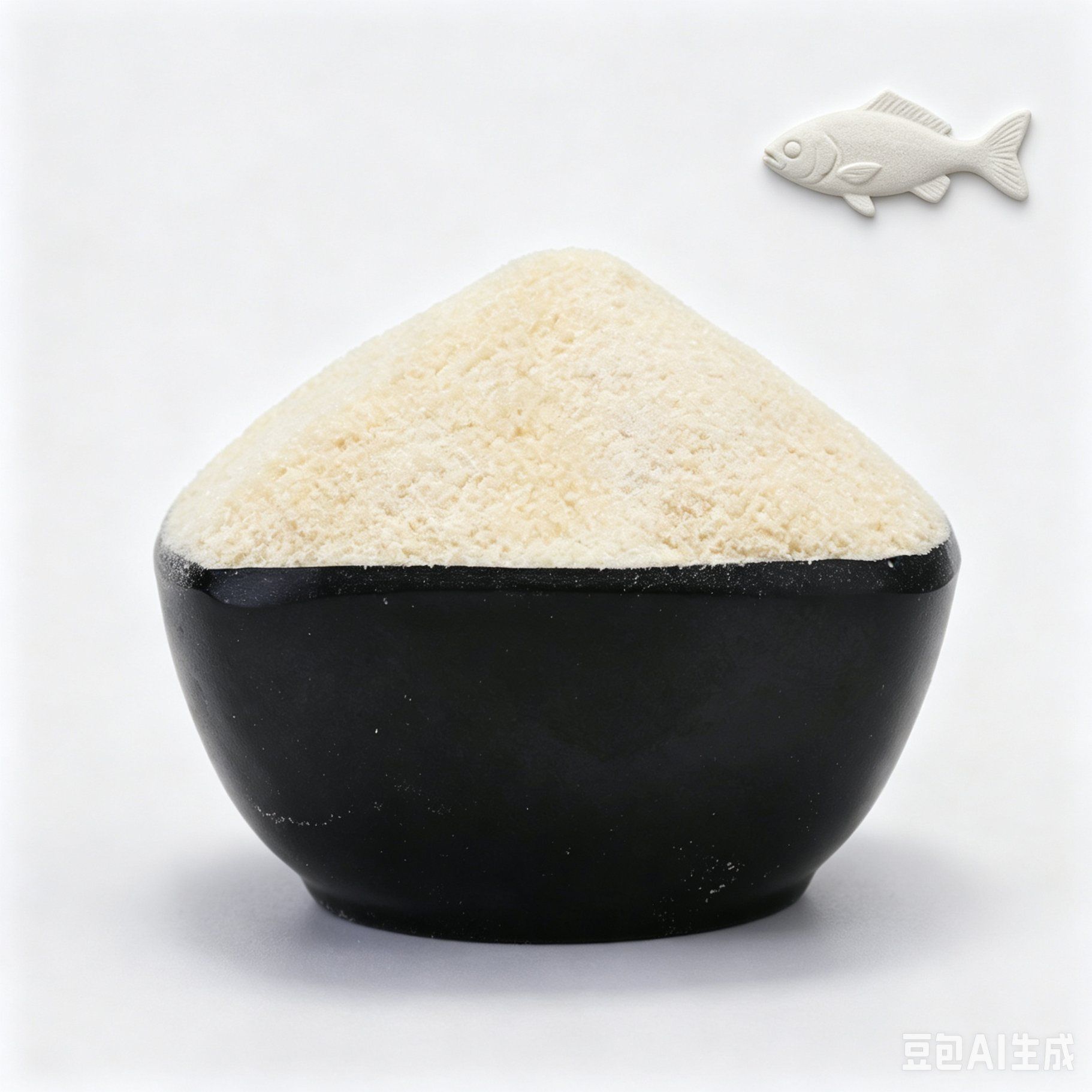
Three sources dominate the market. Porcine gelatin leads with about 52% share thanks to its cost efficiency and high Bloom strength. Bovine gelatin serves halal and kosher markets. Fish gelatin grows fastest, appealing to religious and clean-label buyers.
This functional range explains why the category keeps expanding. The edible gelatin market reached roughly $4.06 billion in 2025 and may hit $9.97 billion by 2034, a 10.5% compound growth rate. Food manufacturers rely on gelatin for texture and stability that plant gums struggle to replicate.
Confectionery and Gummies
Confectionery remains the largest food application, holding about 60% of food and beverage demand. Gummy bears, marshmallows, jelly beans, and fruit chews all depend on gelatin’s elastic gel. High Bloom grades deliver the signature bite and quick setting that consumers expect.
Gelatin also gives confections a glossy, transparent appearance. That visual quality matters for premium gummies and layered jellies. Plant alternatives like pectin set differently under heat and acid, which keeps gelatin the default for mainstream candy lines.
Manufacturers should match Bloom strength to product type. Hard chews need higher Bloom, while soft jellies work with medium grades. Suppliers such as Xiamen Huaxuan Gelatin offer edible gelatin for candy across low to high Bloom ranges.
Dairy and Desserts
Dairy products rely on gelatin as a stabilizer and texturizer. Yogurt, sour cream, and ice cream benefit from improved consistency and reduced syneresis, the weeping that ruins texture. Gelatin’s water-binding power keeps these products smooth during storage.
Desserts showcase gelatin’s gelling talent. Mousses, puddings, and aspics need structural integrity plus a melt-in-the-mouth feel. Ready-to-eat dessert mixes increasingly carry gelatin for consistent results across batches.
Low-sugar reformulation creates new demand. Gelatin holds texture when sugar and fat drop, which supports the growing clean-label dessert segment. Its natural protein origin also aligns with label-focused consumer expectations.
Meat and Savory Systems
Meat processors use gelatin for binding, emulsification, and water retention. Canned meats, patés, and deli products gain juiciness and sliceability through gelatin’s protein network. This application improves yield while keeping texture appealing.
Gelatin also creates the broth-filled interior of products like Chinese soup dumplings. The gel solidifies at room temperature, then melts during cooking to release flavor. Few other hydrocolloids deliver this thermal behavior.
Clean-label claims favor gelatin here as well. Manufacturers replace synthetic binders with gelatin, a recognizable natural ingredient, satisfying both texture and labeling goals.
Beverage Applications
Beverage makers use gelatin for clarification and mouthfeel. Fine gelatin grades help remove haze particles from juices and wines through gentle flocculation. The result is a clear, stable liquid without harsh fining agents.
Protein beverages and fortified drinks add gelatin to improve body and texture. A small dose changes perceived richness without adding significant calories. This use case grows alongside the functional beverage boom.
Fish gelatin fits beverage work especially well due to its lower melting point and clean taste. Manufacturers targeting religious or pescatarian markets often choose marine grades for liquid applications.
Nutraceutical Gummies
Nutraceutical gummies form the fastest-growing food application. Vitamin, mineral, and botanical gummies need high Bloom gelatin for texture stability and quick setting. Pharmacopeial documentation and heavy-metal controls increasingly matter for this channel.
Low-water-activity systems extend shelf life under warm logistics. Cross-linking management keeps gummies stable without excess moisture pickup. These technical demands push manufacturers toward premium, well-documented gelatin grades.
This segment also creates a halo effect for the whole category. Consumer awareness of collagen peptides frames gelatin positively, softening objections to animal-derived ingredients in functional foods.
2026 Market Trends
Traceability now ranks among the top purchasing criteria. Buyers demand origin documentation, processing records, and certification for international supply chains. EMA and FDA scrutiny of animal-derived ingredients reinforces this shift.
Halal and kosher certification unlocks export markets. Muslim-majority regions in the Middle East and Southeast Asia drive demand for certified bovine and fish gelatin. Segregated production lines give suppliers a competitive edge.
AI is entering formulation work as well. Predictive models estimate gel strength and melting profiles from Bloom value, pH, and sugar content, cutting trial-and-error in product development. Expect more application-specific gelatin solutions ahead.
Sourcing and Grade Selection
Buyers should evaluate gelatin by Bloom strength, viscosity, clarity, and microbiological quality. Batch-to-batch consistency matters most for large production lines. Request a certificate of analysis before committing to a supplier.
Check allergen status and religious certification for your target market. Confirm the source species and country of origin for full traceability. Halal beef gelatin and fish skin gelatin options cover both mainstream and specialty needs.
Test samples under your own processing conditions. Hydration behavior and set time vary with line equipment and climate. A short pilot run beats years of specification guessing.